

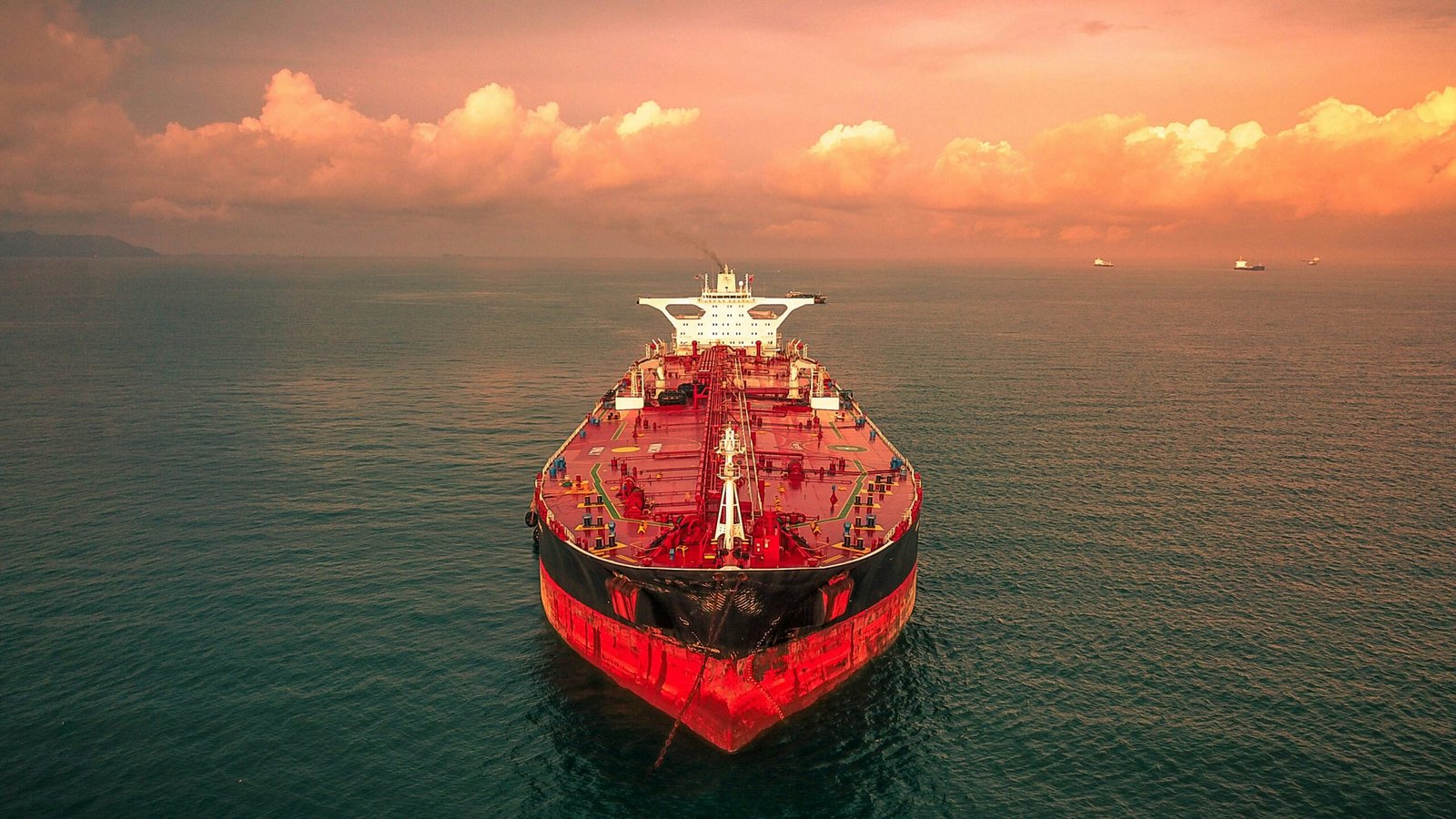
Oil prices don’t rise because markets panic. They rise because scarcity is real and when a major energy artery like Hormuz is disrupted, the entire structure of the global economy feels the shock.
War in the Middle East always produces the same headline.
Oil prices surge….
Politicians promise stability….
Economists quietly panic….
The public is told not to worry. But the laws of economics do not disappear just because governments wish they would.
Hormuz is one of the most critical energy routes in the market. Every day, fleets of tankers loaded with millions of barrels squeeze through this corridor. When that flow is threatened, the shock doesn’t stay in the Gulf. It travels through the entire global economy.
Roughly twenty percent of the world’s oil flows through the Strait of Hormuz. Close it for a few weeks and the global economy doesn’t slow down. It stumbles.
Americans will first notice it at the gas station. Prices rise overnight, but gasoline is only where the story begins.
Oil powers trucks that deliver groceries. It fuels ships that carry goods across oceans. It runs the farm equipment that grows our food. We don’t just use oil, our entire economy runs on it.
This is not speculation or greed. It is simple supply and demand. When supply falls and demand stays the same, prices rise. That price signal tells the world something simple. Energy has become harder to obtain.
That is how a conflict thousands of miles away eventually lands on the kitchen tables of American families. When global energy supply is disrupted, the consequences do not remain overseas. They show up in every store, every factory, and every family budget in America.
Economists see a supply shock. Politicians see something else entirely.
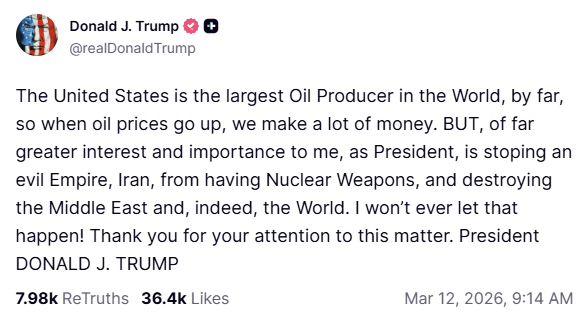
Economists see a supply shock. Politicians see dollar signs.
They see an opportunity to explain why chaos in global energy markets is somehow good for America.
When Politicians Discover Oil Economics
Apparently the United States is just one giant oil company now, and every American family is secretly a shareholder.
Every now and then a politician stumbles into the world of economics and it’s like watching someone wander into the wrong lecture hall halfway through the semester.
The statement goes something like this: America produces a lot of oil. Therefore when oil prices go up, America makes money.
And if you listen carefully you can actually hear every Austrian economist on earth simultaneously slamming their head into the nearest desk. Because apparently the laws of supply and demand now depend on who wins the next election.
Energy is a foundational input in the economy. When energy prices rise, every thing that depends on energy gets more expensive. Transportation gets more expensive. Food gets more expensive. Manufacturing gets more expensive. And suddenly that “we make a lot of money” theory starts looking suspiciously like inflation kicking the middle class square in the balls.
But politicians love this kind of thinking because it turns complicated global economics into a cartoon strip. If something bad happens in the Middle East, don’t worry. Apparently it secretly benefits America. Right.
This is the same level of analysis that got us decades of disastrous foreign policy. Every intervention was supposed to stabilize the region. The wars were supposed to bring order. A new military adventure was sold as security for Americans.
Yet somehow the Middle East remains permanently unstable and American families keep paying the bill every time oil markets panic.
Here’s the uncomfortable truth Austrian economists have been pointing out forever: markets are complex systems built on incentives, scarcity, and tradeoffs. You can’t just make a post on Truth Social and convince voters that supply shocks are good for the economy.
But in Washington DC, economics isn’t really about understanding markets.
It’s about explaining why whatever policy you wanted to use to exploit the country is actually brilliant, and convince the populace of the same.
And if the explanation sounds ridiculous?
Don’t worry.
By tomorrow every cable news panel will be repeating it like it’s obvious.


0 Comments