
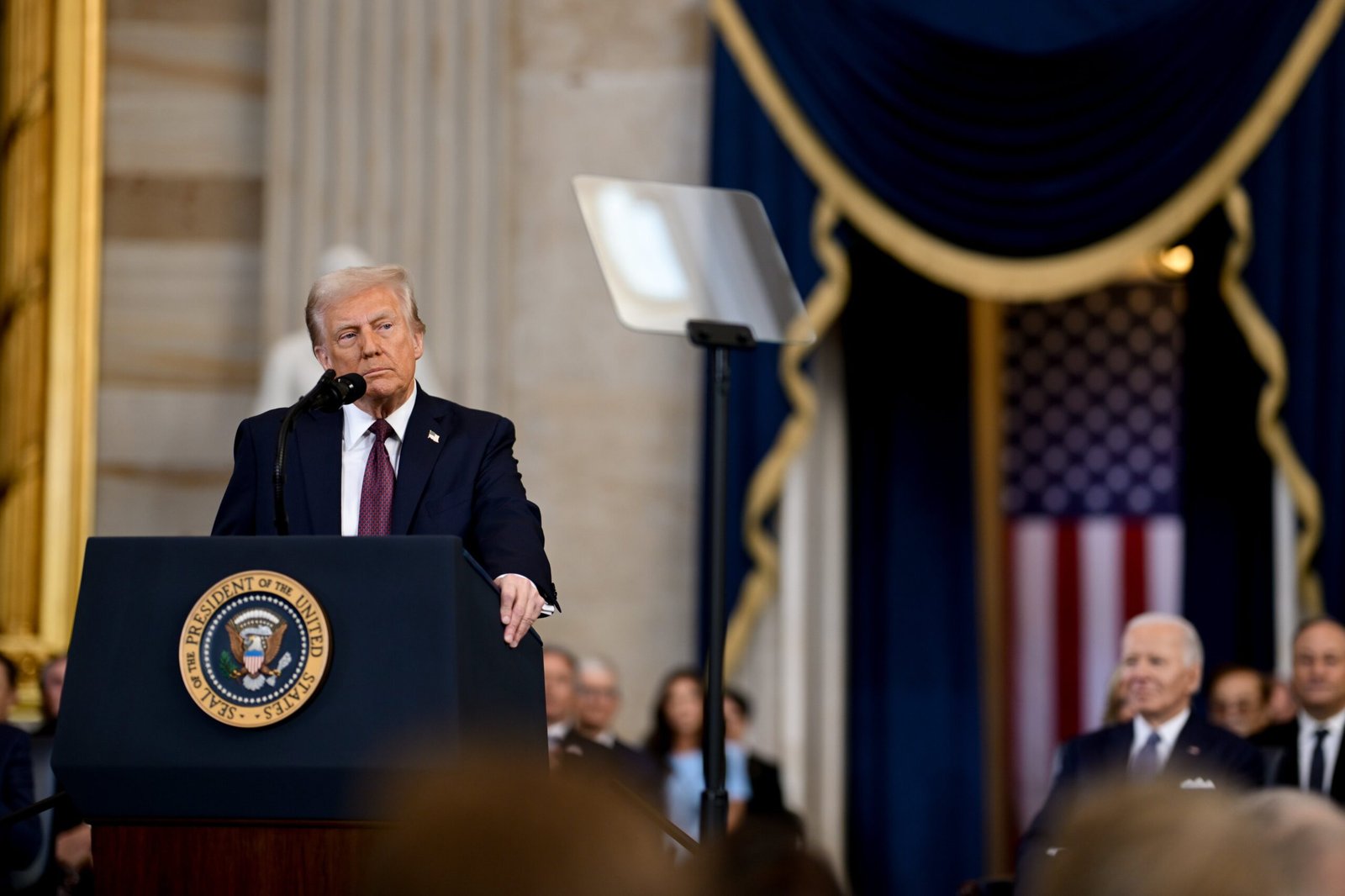
When Trump says “big trouble,” he isn’t talking about policy, he’s talking about consequences.
Trump has drawn a stark line inside his own party, and this isn’t subtle at all.
Backing the SAVE Act, or not, isn’t just a policy choice; it’s a matter of keeping his endorsement.
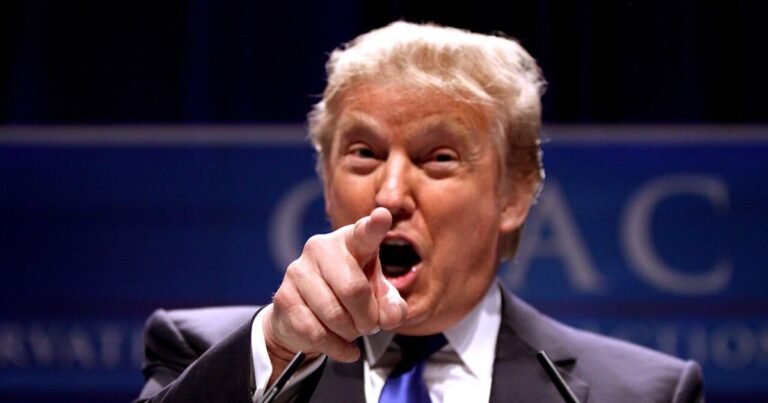
When Trump said the bill would “guarantee the midterms” and warned that failure would mean “big trouble,” he wasn’t laying out policy so much as laying down consequences. Let’s face it, and call it out as we see it. Trump is a bully, end of story.
The problem is not about Democrats, a common misread, as Trump’s focus is inward. The SAVE Act has morphed into a loyalty test, a court‑of‑law for Republicans. I am not just being asked to quietly support a piece of legislation. I am being told to pick a side in front of their colleagues and deal with the fallout.
On the surface, the bill looks straightforward: only citizens should vote, and they should be verified. Most people would agree with that idea alone, which makes the pitch so compelling. It feels obvious, clean, like something that ought to already exist.
But the real issue isn’t the principle; it’s what happens when that principle becomes federal policy applied nationwide. This isn’t just another request for proof of citizenship; it’s a shift of election oversight from states to the federal government. Federal power gets expanded, it doesn’t simply reverse itself later, remember The Patriot Act?
Trump’s own words should give anyone pause.
“If you don’t get it, big trouble.”
“It will guarantee the midterms.”
If a law can “guarantee elections,” it isn’t protecting democracy, it’s controlling it. That is what the GOP’s true goal with this legislation is. Put a simple premise out to the masses, but lets not forget our goal is federalize elections.
We’ve seen a similar pattern before, though the details differ. After 9/11, the Patriot Act was marketed as targeted and limited. Most people accepted that framing. The result was a long‑term expansion of federal power that stretched beyond the original intent. The same structure happened again with the SAVE Act. The concern is spotlighted, a solution that’s more sweeping than expected is offered. The power shifts upward, and challenges become harder.
Whether the SAVE Act will follow that exact path is uncertain, but the comparison isn’t far off. The bill promises to curb noncitizen voting. A crime that’s already illegal and rarely prosecuted, but that modest problem could become a justification for sweeping control. That’s where opinions split.
Some view the act as a much‑needed enforcement of basic election security. Others fear it marks the first step toward a more centralized system that could be expanded later. The debate sits on the table, and the outcome will hinge on how far government actually pushes once it has authority.
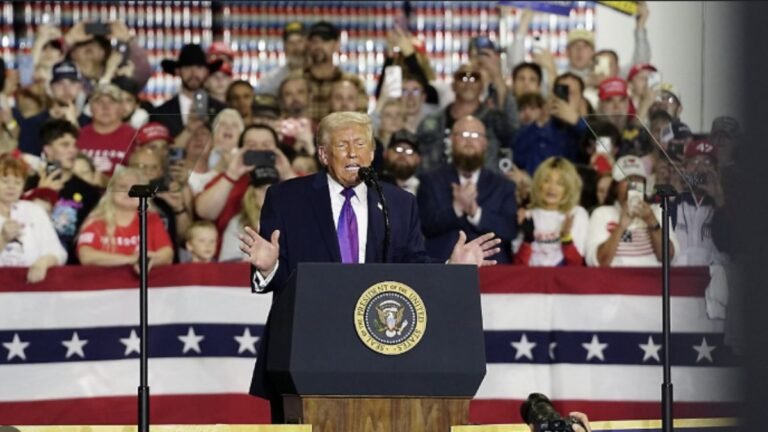
Meanwhile, politics is moving faster than the policy debate. Trump isn’t asking for a slow, deliberative analysis of long‑term implications. He’s presenting an ultimatum, and it’s back the bill or be labeled disloyal. In a party where his endorsement still carries heavy weight, this isn’t a casual threat, it’s leverage.
That makes this moment distinct from a typical legislative battle. The SAVE Act isn’t just debated for its content. It’s being wielded as a pressure tool aimed directly at its own critics.
So the bottom line remains simple, and its that only citizens should vote. The trick is the subtle question it poses. There are laws on the books now that prevent non-citizens from voting. Can we enforce them?
What happens when enforcing that principle brings a significant expansion of federal power, shoved forward by a political ultimatum?
Trump has left no doubt.
Support the bill, or deal with the consequences.
Now the real question: are Republicans voting on policy, or responding to pressure? And will the resulting system feel more secure or just more controlled Democracy?
I vote controlled. You can hold me to that.


0 Comments