
Politicians promise victory. What they deliver is debt, money printing, and higher prices for everyone else.
First the monster appears
Then comes the panic
Then the speech about national security
And finally the bill.
Politicians sell war by convincing the public that danger overseas is about to arrive on our doorstep. They tell us the threat is urgent, the stakes are existential, and that only your government can stop it.
Austrian economists look at war very differently than politicians do. Politicians see patriotism. Austrians see resource misallocation.
Every foreign intervention sold as national defense reallocates resources away from productive activity and towards destructive bureaucracy with debt financed through inflation.
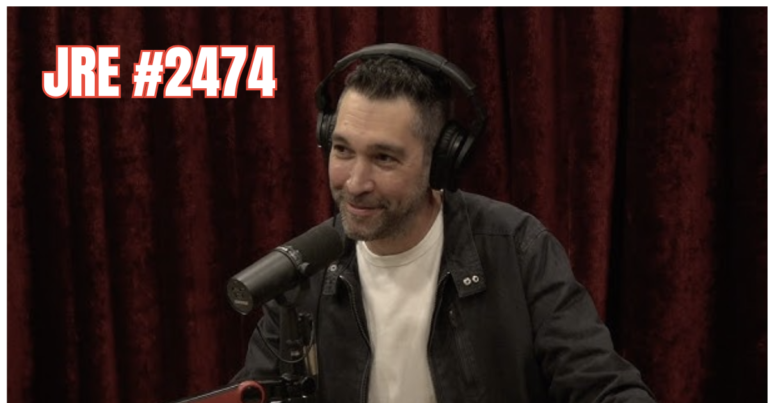
In the clip below (2:55 total), 6 months ago on JRE, Dave Smith breaks down how these regime change wars become the ultimate inflation machine.
This is critical, Dave explains, “the banking system and the tax system are very, like .. interrelated to the warfare state.”
The Federal Reserve was created in 1913 to be “the lender of last resort”. Especially after the Panic of 1907, U.S. politicians realized they needed a more elastic money supply, and did not want to continually rely on private bankers like JP Morgan to bail them out.
The purpose of the Federal Reserve was to stabilize the banking system, make it predictable, manage the money supply, and prevent financial panics. WWI was the first test for the new central bank. In 1914, war broke out in Europe, and the government realized it needed massive financing.
Government has three ways to pay for wars: Taxes, borrowing, and money creation. Taxes are unpopular, borrowing has its limits, but money creation is the Federal Reserve’s specialty.
Modern wars are rarely paid for with taxes because voters would revolt. Instead they are paid for with borrowing and inflation, which hides the cost from the public.
The U.S. entered WWI in 1917, and the government issued enormous amounts of war debt called “Liberty Bonds”. The government issued the war bonds, the banks bought the war bonds, the Federal Reserve provides liquidity (cash), and the money supply expands. In the end, the war was financed through credit expansion, and not just taxes.
Economists argue that the Federal Reserve makes large scale war spending politically easier.
Without a central bank, governments would raise taxes immediately. Voters feel this cost immediately, and the wars would become harder to sustain.
With the Federal Reserve, the government borrows what it needs, the money supply expands, and the inflation spreads the cost across society. Instead of paying for war directly, Americans pay through reduced purchasing power.
This is why you always hear people call inflation a “hidden tax”.
The evidence from WWI shows the money supply doubled between 1914 and 1920. Prices also increased 70-100% during that same period. This happened because war spending exploded and money creation followed it.
I am not saying the Federal Reserve caused the US intervention in WWI, but I am saying the Federal Reserve changes the incentives of governments. With a central bank, governments can fight longer wars, run larger deficits, and postpone political costs from the war.
As Ludwig von Mises said, “Inflation is taxation without legislation.”
World War II
This is the largest wartime monetary expansion in U.S. History
Federal spending exploded from about 10% of GDP to over 40% of GDP. The government issued massive amounts of war debt, and the Federal Reserve kept interest rates artificially low so the government could finance the war.
The U.S. money supply tripled between 1940 and 1945
The government has to impose price controls and rationing to suppress inflation during the war. When those price controls ended, inflation jumped 18-20% for the first year afterwards. The price controls did not eliminate inflation pressures, it temporarily hid them for a time.
Vietnam War
Vietnam created a different type of monetary problem
The U.S. fought a major war without raising taxes enough to pay for it. Instead it relied on deficit spending and monetary expansion. The Federal Reserve expanded money supply throughout the 1960’s into the early 1970’s.
This expansion contributed to The Great Inflation of the 1970’s, which produced double digit inflation, high unemployment, and economic stagnation (low sustained GDP growth).
Vietnam helped break the post WWII monetary stability and contributed to the inflation crisis in the 1970’s.
War on Terror
The wars in Afghanistan and Iraq were financed very differently than earlier wars.
Instead of taxes, the government mostly funded these wars through deficit spending. Military operations and security spending cost trillions of dollars.
During the 2000’s, and after the 2008 housing crisis, the Federal Reserve expanded the monetary supply through something called Quantitative Easing.
Quantitative Easing is central banks purchase treasury bonds and mortgage-backed securities from commercial banks. Then replacing them with digital reserves, injecting liquidity (cash) into the financial system.
These factors contributed to a slow recovery from the 2008 recession, general economic imbalance, and an increased reliance on monetary stimulus.
The War in Iran
The battlefield may change from decade to decade, but the financial pattern rarely does.
As of this writing, we are 16 days into a regime change war with Iran. One of the first signs of our pattern is the commodity shock around oil.
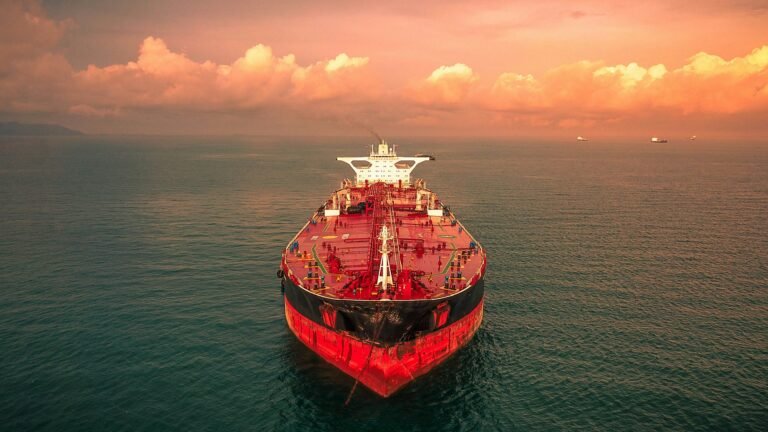
Oil prices surged above $100 per barrel after the conflict started. The disruption comes from the crisis in the Strait of Hormuz, that supplies roughly 20% of the world’s oil supply. Traffic through the Strait has collapsed after Iranian attacks, and is one of the largest supply disruptions in modern energy markets.
Oil shocks quickly feed into increased transportation costs, electricity prices, fertilizer production, and food prices. Economists are already warning us the war could push global inflation higher and slow GDP growth.
Why else are 2,500 U.S. Marines on their way to the Strait of Hormuz as of this writing?
Within the first week of the conflict, early Pentagon estimates suggest the government spent roughly $11 billion on just U.S. military operations alone.
The follows the pattern of military spending spikes, government borrowing increases, and the debt markets react accordingly. U.S. treasury yields have already begun rising due to investor concern about higher deficits.
The U.S. financial system is unable to sustain this regime change war with Iran, while supporting Israel’s attacks on Lebanon simultaneously.
We are $38.8 trillion in debt currently. We are running a $1 trillion deficit in FY 2026, with $308 billion of that in February alone. Being in a regime change war, the deficit will easily grow to $2- $2.5 trillion by the end of the government’s fiscal calendar (October to September), with 6 months to go.
The 2028 election is pivotal for many reasons, depending on who and what matters to you. Our economic freedom, affordability, and future are stamped on the ballot for 2028. If we keep voting for the same political parties, we are going to keep getting the same results.
Iran War Inflation Economics: A Pattern Seen For 100 Years
War expands government. Government expands debt. Debt expands the money supply. And the public pays the bill through inflation.
Politicians promise victory. What they deliver is a weaker dollar, a larger government, and a bill that arrives years later in the form of higher prices.
The battlefield may be overseas, but the economic damage always comes home, instead of the monster you were sold on.
0 Comments